
Colors and natural materials: how to match Rio Verde Paints with trending materials
Contents
- Natural materials and interior design trends
- The principle of controlled material contrast
- Vintage Prestige and authentic materials
- Golden Prestige and mineral light
- How to choose the right combination
Natural materials and interior design trends
2026 confirms a clear direction: interior design favors natural materials, imperfect textures, surfaces that tell a story. It reflects a need for authenticity. A return to origins driven by a natural — more or less conscious — response to the constant dematerialization of many aspects of contemporary living, from work to social relationships and cultural consumption.
Among open-pore oak, limestone, slate, mineral lime, clay, terracotta, raw linen and plant fibers, the home tends to reclaim a tactile dimension, not just a visual one.
In this scenario, color must integrate with the material, establishing a dialogue with it.
Across the different enamel lines produced by Rio Verde by Renner Italia, there are color palettes that can foster this dialogue.
Let us therefore explore the most interesting combinations with Vintage Prestige and Golden Prestige paints.
These are water-based products with extremely low emissions, perfect for indoor use and suitable not only for wood but also for other materials: metal, glass, leather, plastic and small wall sections.

The principle of controlled material contrast
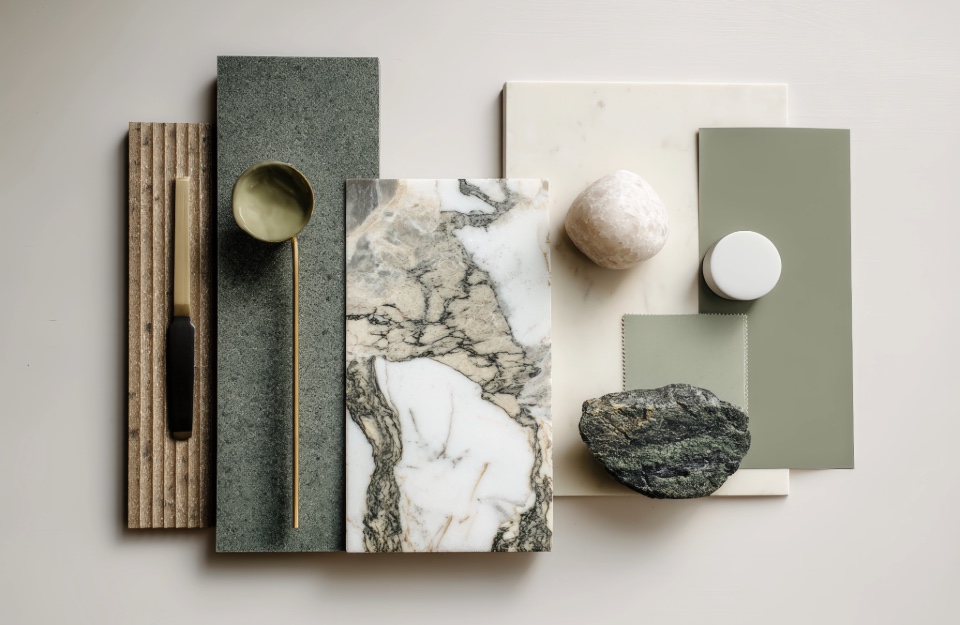
When designing a natural and coherent space, chromatic analogy is not always the best choice. Pairing colors and materials that resemble each other can create harmony, but it can also lead to excessive uniformity, a loss of depth and a lack of visual hierarchy.
Controlled material contrast is meant precisely to avoid this effect, aiming to achieve a “balanced tension”.
It involves pairing:
- a warm surface with a cool one;
- a soft material with a mineral one;
- a deep color with a light texture;
- a powdery shade with a compact material.
The secret is proportion: color must never overpower the material, while the material should offer enough “visual resistance” to enhance the color.
In contemporary design this principle is central: the home as a system of relationships between surfaces rather than a collage of finishes.
Vintage Prestige and authentic materials
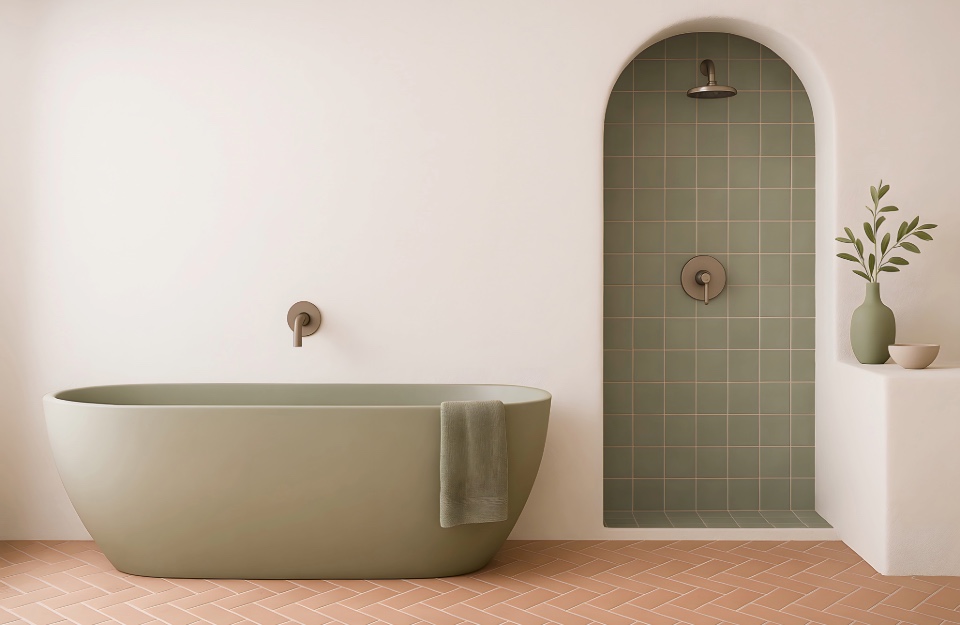
Vintage Prestige is a matte, velvety and opaque enamel, ideal when color is paired with natural surfaces.
RB 1490 COCCO with dark slate
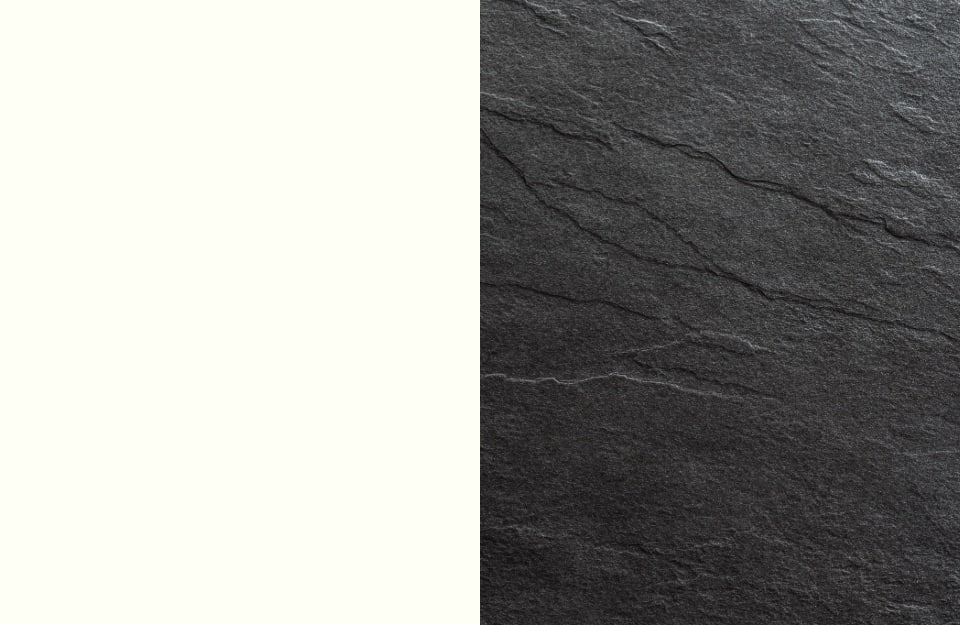
Instead of pairing it with light materials, Cocco expresses its character best alongside deep surfaces such as natural slate or lava stone.
The contrast between the warm white and the dark mineral creates a sophisticated and contemporary balance.
Perfect for sideboards or boiserie in spaces with anthracite stone floors or slate kitchen countertops.
RB 1190 FRAPPÈ with natural travertine
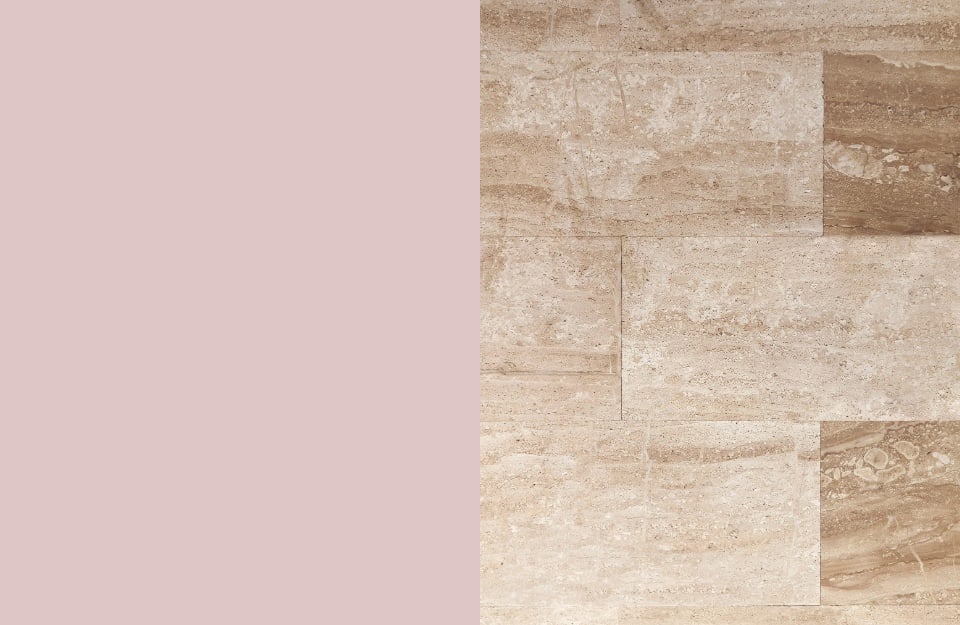
Frappè is an elegant, desaturated dusty pink with a refined earthy component.
Paired with travertine or warm beige stone, it creates a subtle tonal dialogue: the stone remains neutral, while the pink introduces a sophisticated and contemporary vibration.
It is a perfect choice for entryway furniture, chests of drawers or sideboards placed in spaces with light textured walls.
RB 1690 ANICE with natural oak
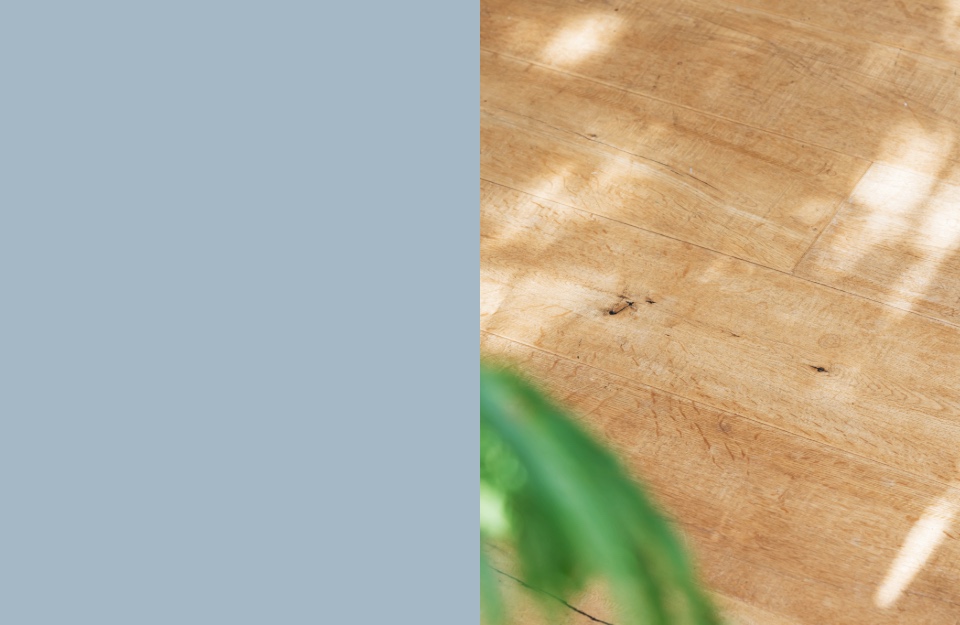
Anice is a dusty light blue with a grey component that makes it mature and balanced.
Its most interesting pairing is not with other cool tones, but with natural open-pore oak.
The contrast between the freshness of the light blue and the warmth of the wood creates visual balance and contemporaneity.
Ideal for kitchens, bookcases or wardrobes on oak parquet flooring, where the dusty blue becomes an architectural accent without appearing decorative.
RB 1790 GINEPRO with light limestone
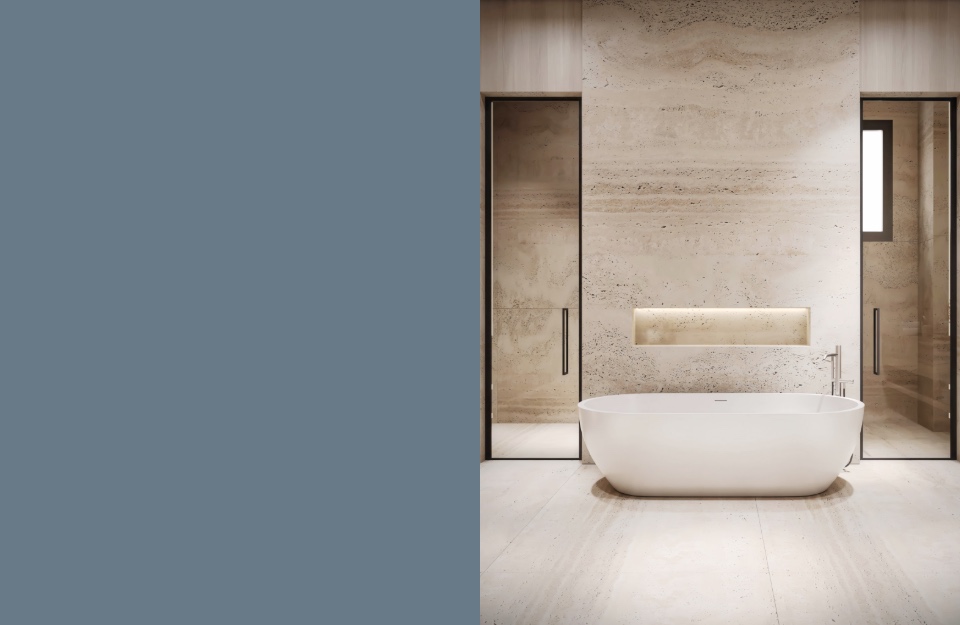
Ginepro is a medium dusty blue with a grey component that makes it elegant and never decorative.
Its most interesting pairing is not with other cool tones, but rather with light limestone or beige mineral plasters.
The contrast between the freshness of the blue and the sandy softness of the stone creates a refined tension, very current in Northern European interior design.
Suggested uses: on a sideboard, a bookcase or a kitchen.
RB 1590 LATTEMENTA with natural terracotta
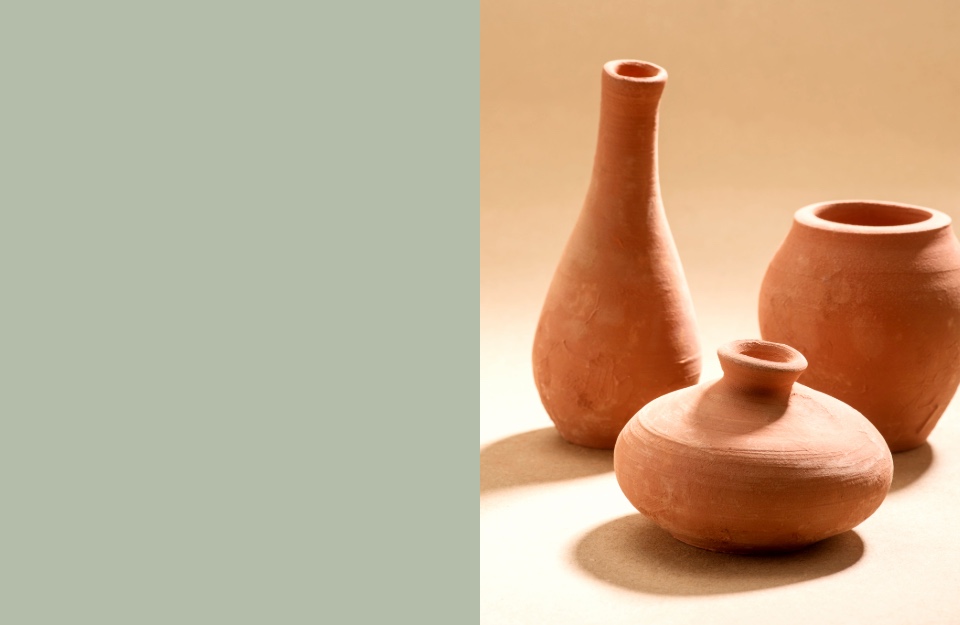
Instead of pairing it with other greens or plant-based materials, Lattementa works beautifully alongside terracotta or clay surfaces.
The contrast between the green and the earthy red of terracotta creates a contemporary Mediterranean balance.
Perfect for furniture in spaces with terracotta floors or handcrafted ceramics.
RB 1090 AMARENA with raw linen and light lime
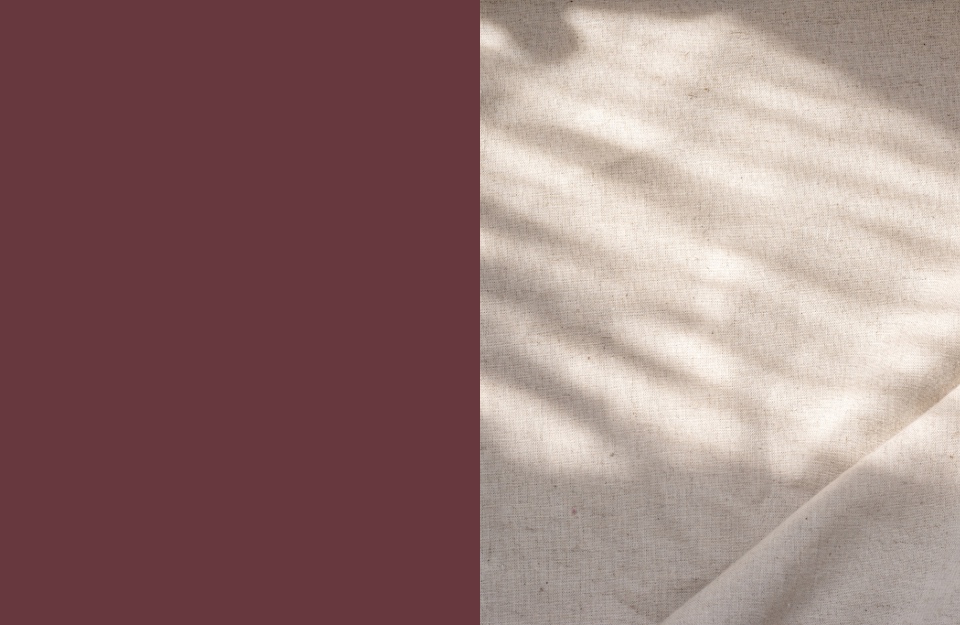
Amarena is a deep, natural, mature red.
Paired with raw linen and light lime walls, the red lightens and gains sophisticated depth.
The contrast between chromatic density and material neutrality creates a warm yet controlled effect, ideal for sideboards, boiserie or accent furniture.
RB 1890 TARTUFO with light raw linen and satin brass
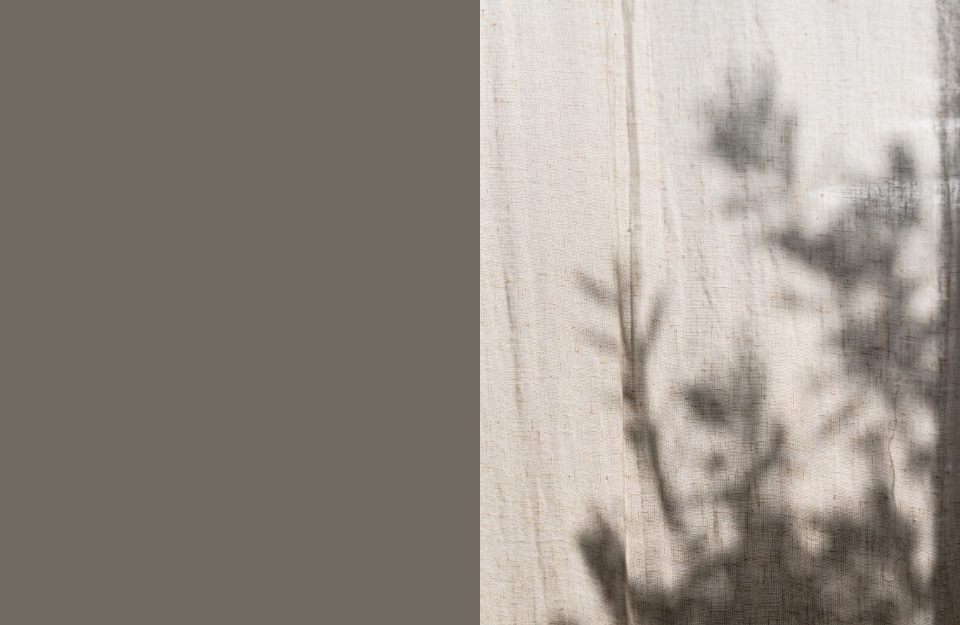
Tartufo is a deep, structured brown with a warm component that is never reddish. It is a color that brings density to the space.
Its most interesting pairing is with raw fabrics (such as linen) and satin brass details.
The contrast between the depth of the brown and the textile lightness creates visual balance. Brass introduces a luminous vibration that avoids the “solid mass” effect.
On a bookcase, a boiserie or a dark kitchen, Tartufo becomes elegant and architectural when lightened by light natural surfaces.
RB 1990 MARZAPANE with lava stone or dark concrete
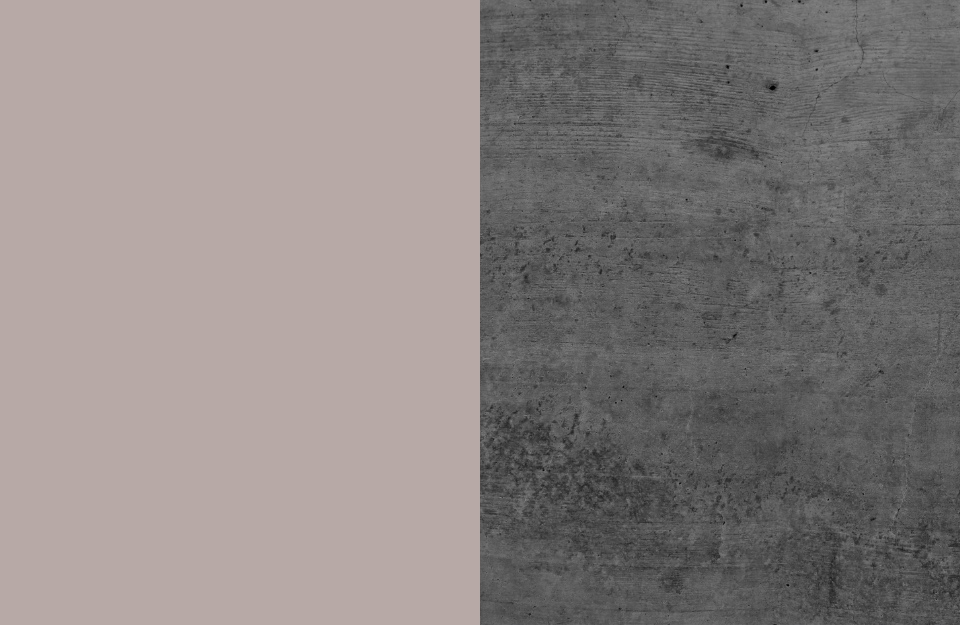
Marzapane is a warm, earthy shade with a slight rosy component that makes it sophisticated.
Pairing it with light materials would be a predictable choice. Much more interesting is matching it with lava stone, dark concrete or anthracite surfaces.
The contrast between the warm softness of the color and the dark mineral hardness creates a contemporary, almost sculptural dialogue.
Perfect for furniture in spaces with concrete floors or microcement-effect walls, where Marzapane introduces warmth without losing modernity.
RB 1290 NOCCIOLA with brushed steel or satin metal
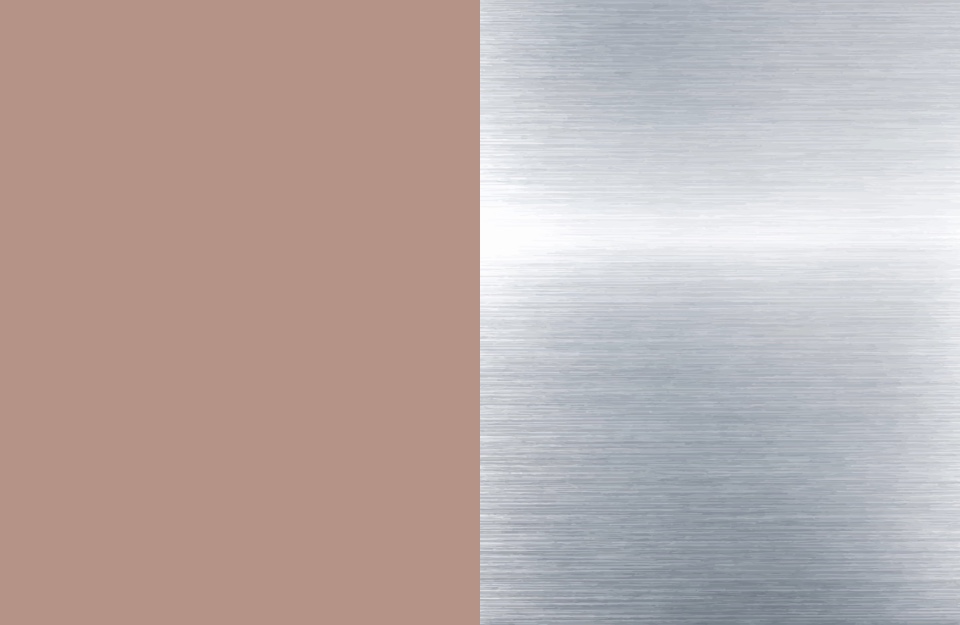
Nocciola is a warm light brown, natural and reassuring, which can establish a surprising dialogue with brushed steel or satin metal surfaces.
The contrast between the earthy warmth of the color and the controlled coolness of the metal creates a contemporary and sophisticated balance.
In a kitchen with stainless-steel appliances, a Nocciola sideboard introduces materiality and depth without slipping into rustic.
In a home office with metal details, instead, the warm brown becomes an element of visual balance.
RB 1390 VANIGLIA with slate or burnished iron
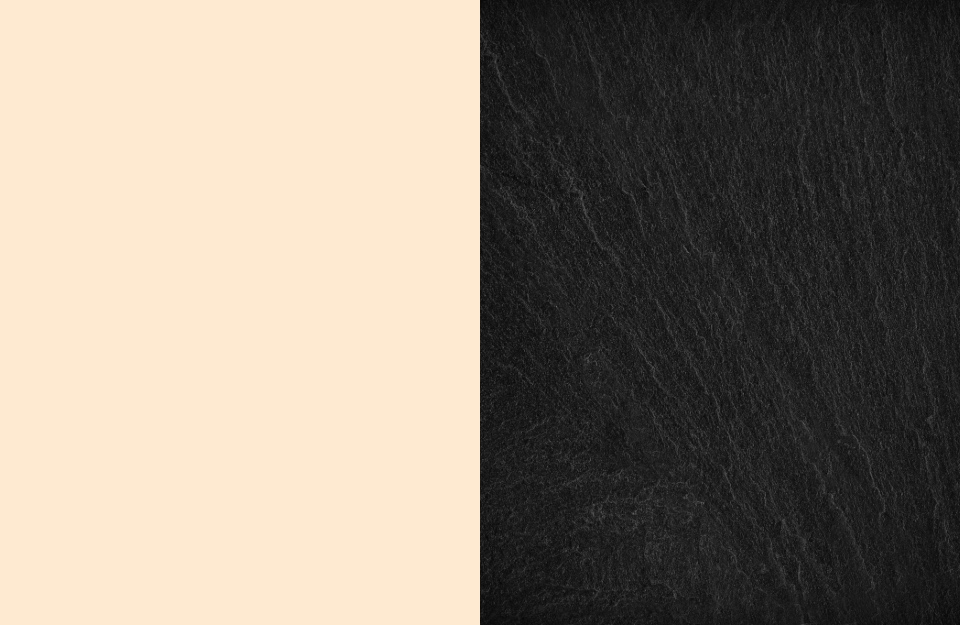
Vaniglia is a warm ivory, bright but not optical. Paired with dark slate or burnished iron, it gains structure.
The contrast between the delicacy of the light tone and the dense dark mineral creates contemporary balance.
Perfect for kitchens or sideboards in spaces with dark stone countertops or metal details.
Golden Prestige and luminous contrast
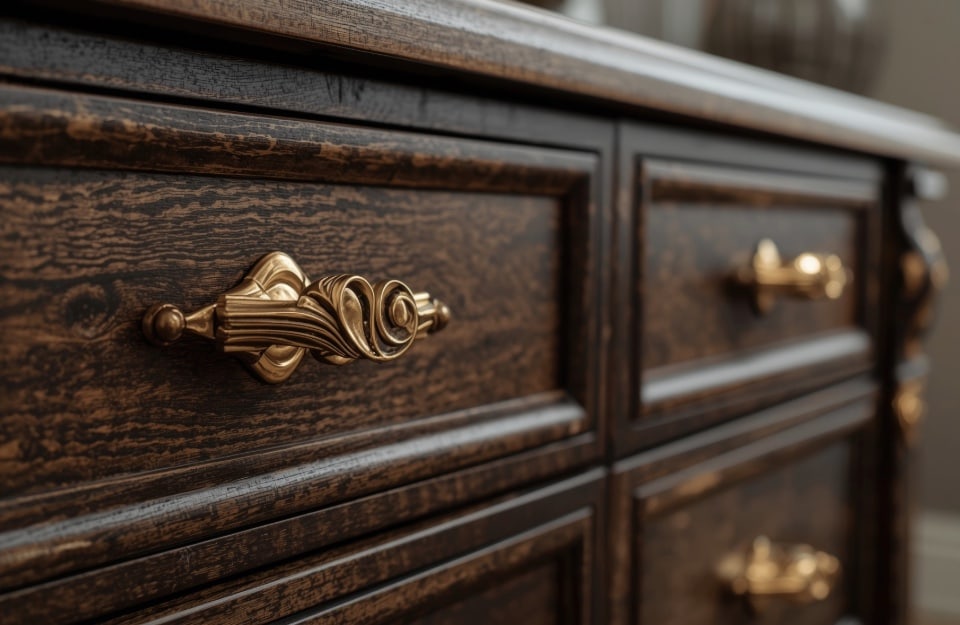
Golden Prestige introduces a metallic component that, in a context dominated by natural materials, must be calibrated with precision.
The principle is not “gold on warm”, but controlled tension between reflective light and absorbent surface.
RB 5190 Yellow Gold with Verde Alpi marble or serpentine
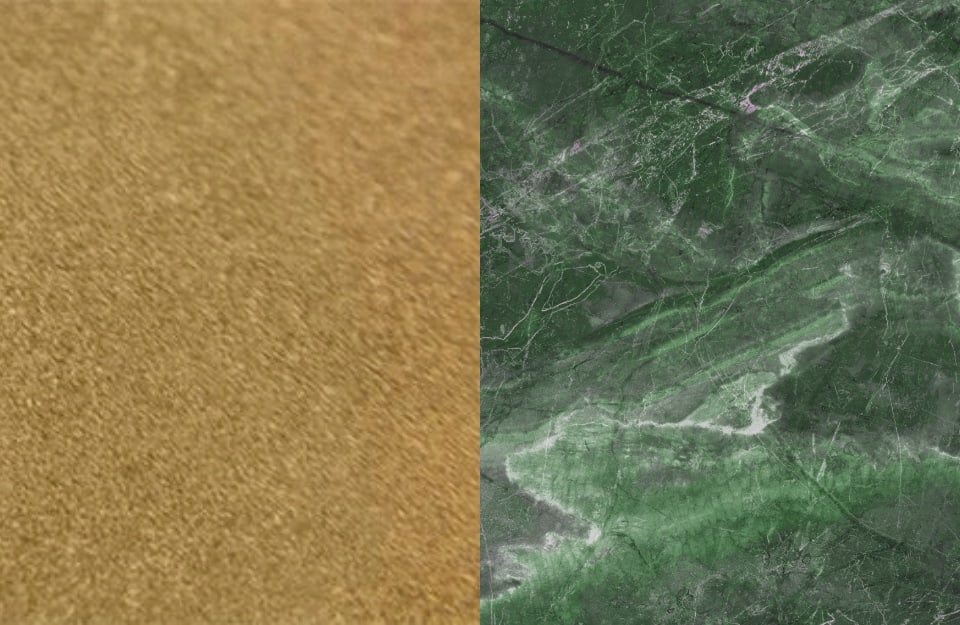
Yellow Gold, bright and sunlit, expresses its elegance when it dialogues with deep, compact materials such as green marble or serpentine stones.
The contrast between the warm light of the metal and the chromatic density of the marble creates a refined and contemporary balance.
Alternative: cocciopesto-based plaster, for a warm yet structured dialogue.
RB 5090 Brown Gold with natural leather
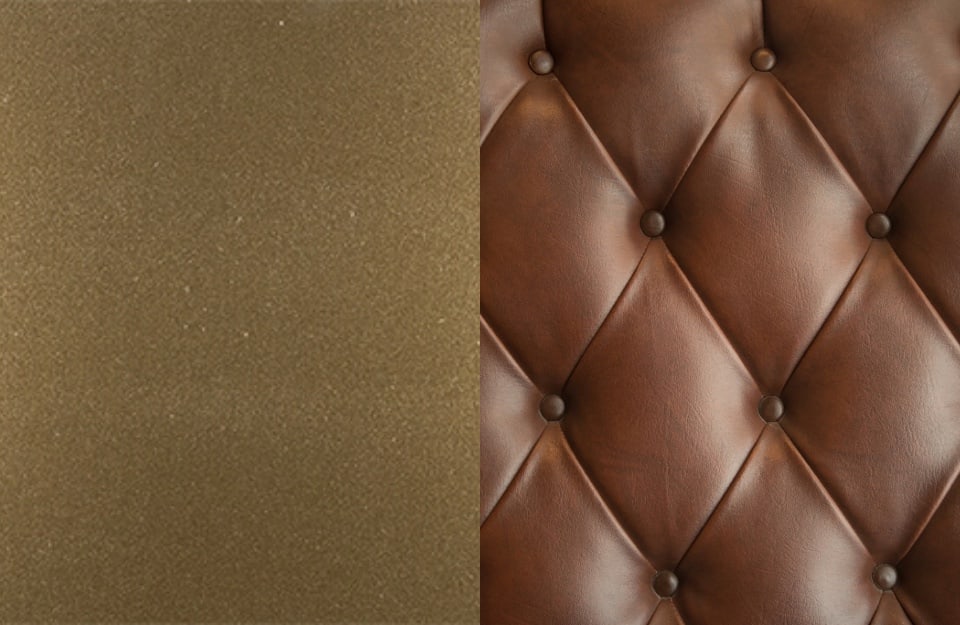
Brown Gold is the deepest and most sophisticated shade in the Golden Prestige range. It does not have the sunlit brilliance of Yellow Gold nor the luminous neutrality of White Gold: it is dense, warm, almost earthy.
Its ideal pairing is natural leather — especially in saddle, tobacco or cognac tones — with which it establishes an interesting relationship both chromatically and tactilely.
The metallic surface reflects light in a controlled way, while the leather absorbs it and diffuses it through its irregular grain.
Perfect for details on furniture placed in spaces with leather armchairs, upholstered headboards or handcrafted coverings.
RB 5390 White Gold with Canaletto walnut or thermo-treated oak
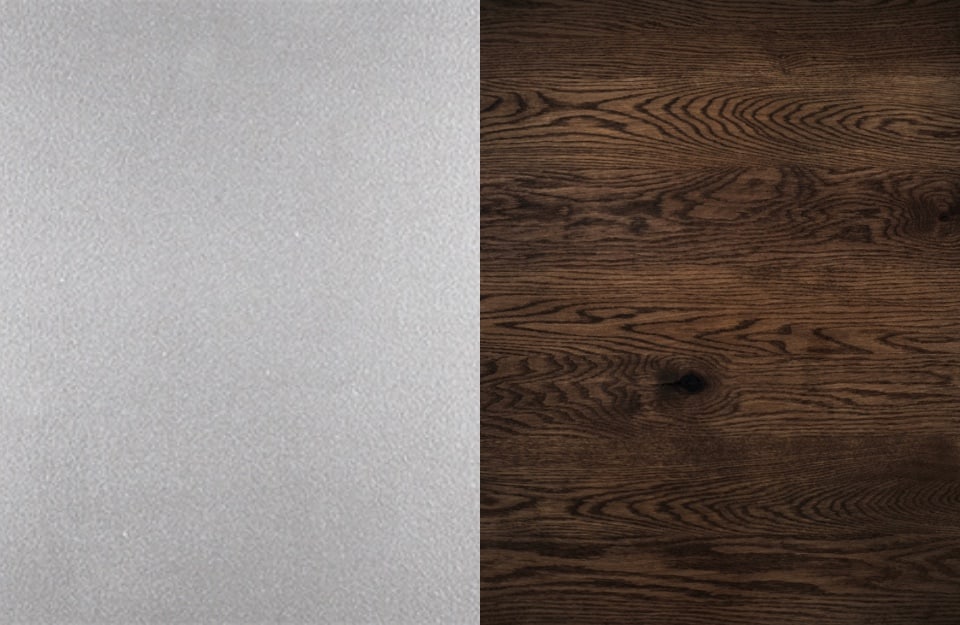
White Gold is bright and light, and its most interesting pairing is with dark woods such as Canaletto walnut or open-pore thermo-treated oak.
The depth of the dark wood absorbs light, while the metal reflects it.
This dynamic creates a refined and highly contemporary balance.
On walnut boiserie or on a minimal dark cabinet, a White Gold detail helps to add structure.
How to choose the right combination
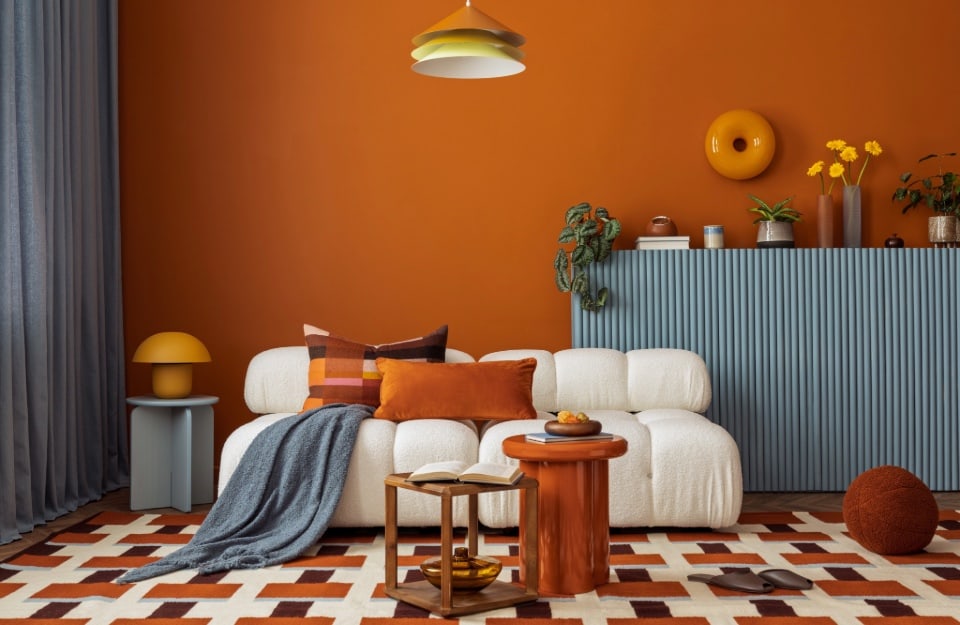
Choosing the right color does not simply mean deciding “what you like”, but rather understanding how that shade will interact with the materials already present in the space.
Before working on a piece of furniture or a detail, it is important to observe carefully and ask a few crucial questions.
- What is the dominant material? Light wood, stone, textiles, metal?
- Is the natural light warm or cool?
- Does the space need depth or lightness?
- Should the color integrate or become an accent?
The secret is proportion: color must not cover the material, and metal must not dominate the space. As mentioned earlier, a balanced environment arises from the relationship between surfaces: absorption and reflection, warm and cool, compact and porous.
