

- What is a wood finish?
- Water-based and solvent-based finishes
- What are the advantages of water-based finishes over solvent-based ones?
- What’s the difference between varnishes, enamels, and paints?
- How to apply a water-based impregnating finish for wood
- Can a film-forming finish be applied over an impregnating one?
- How to apply a water-based film-forming finish for wood
- In conclusion
What is a wood finish?
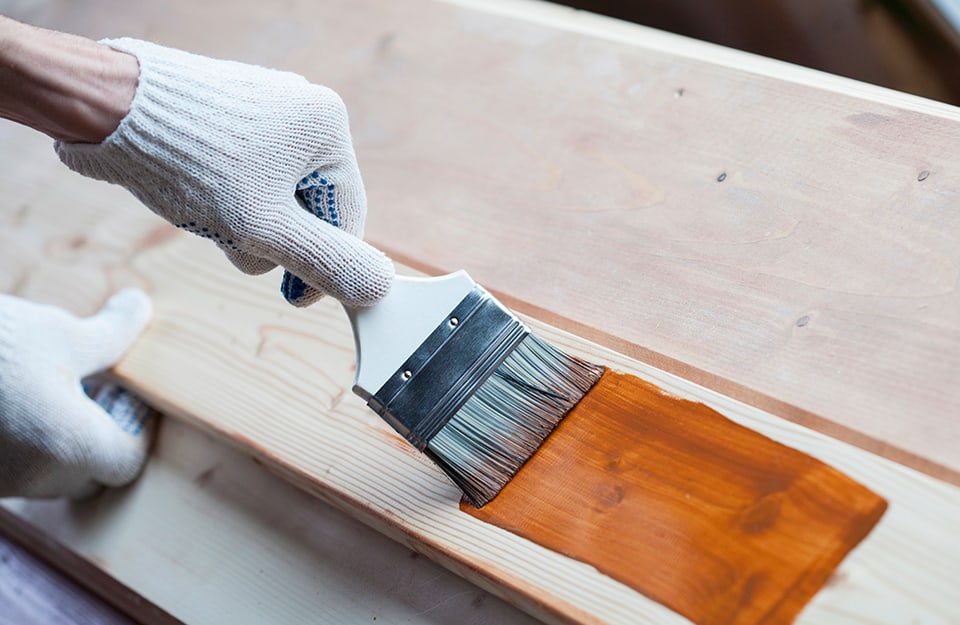
Wood finishes are products applied essentially for two reasons:
- to preserve the wood over time and protect it from weather, stains, and scratches;
- to enhance the natural beauty of the wood and/or achieve specific visual and tactile effects.
There are many types of finishes, but they can be divided into two main categories:
- film-forming finishes, which create — as the name suggests — a protective film on the surface. Often, the term “finish” refers to these. They can be glossy or matte, transparent or pigmented, covering or not;
- impregnating finishes, which are absorbed and penetrate deep into the wood fibers. They are not covering products, so they leave the grain, fibers, and any knots visible, but they can still color the wood.

Water-based and solvent-based finishes

Both film-forming and impregnating finishes can be water-based or solvent-based, though hybrid formulations also exist.
For a long time, solvent-based products were considered more effective, but today, thanks to research and technology, their performance is comparable (in some cases, such as outdoor use, water-based finishes are superior).
What are the advantages of water-based finishes over solvent-based ones?
Using water-based finishes offers many advantages:
- Their environmental impact — from production to disposal — is much lower;
- They do not release volatile organic compounds (the so-called VOCs);
- They are odorless, making them preferable for indoor use;
- They provide better performance for outdoor applications.
What’s the difference between varnishes, enamels, and paints?
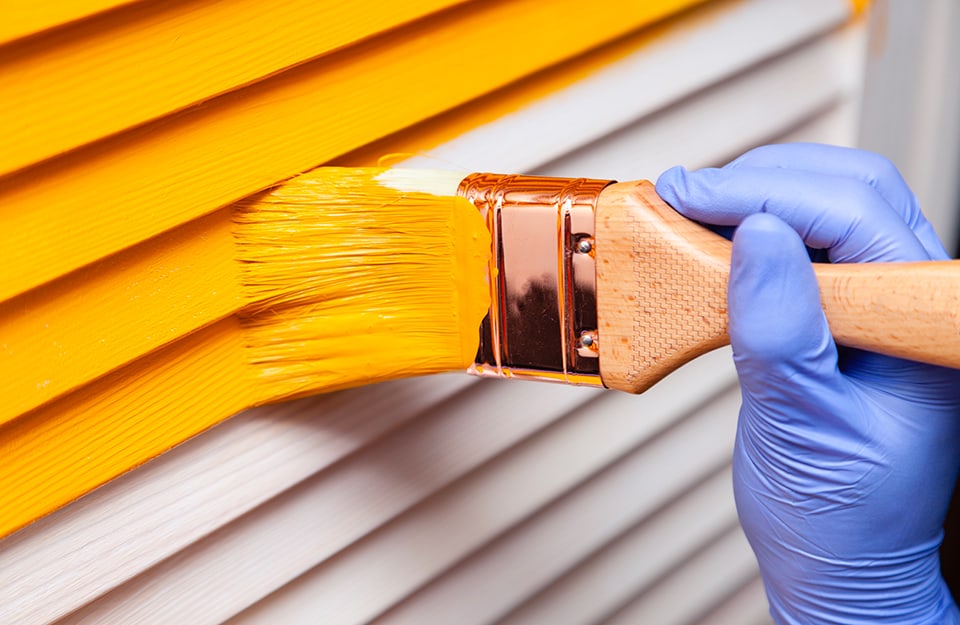
Once we’ve identified the main categories — water/solvent and film-forming/impregnating — it’s useful to clarify terms that often cause confusion when choosing or researching products.
We’re talking about words like varnish, enamel, and paint, which are often used interchangeably.
Before diving deeper, we must understand the main components of a varnish. They are three:
- Resin: the binder that creates the protective film;
- Solvent: in water-based varnishes it’s water, in solvent-based ones it’s the solvent itself. It keeps the product liquid and makes application easier. During drying (timing depends on formulation), the solvent evaporates;
- Filler: an inert material that adds body and determines the final look, such as glossy or matte.
Two more elements can be added: pigments, which provide color, and additives, which can serve many purposes — softeners, hardeners, UV blockers, etc.
Based on their formulation, we have:
- Varnishes: where resin is the main component;
- Paints: where filler predominates. Paints are usually used on walls.
And what about enamels? Enamels — which can also be water- or solvent-based — are part of the varnish category. So, enamel and varnish are not synonyms. Among varnishes, enamels are the opaque, covering ones, which hide the wood grain, unlike stained varnishes.
How to apply a water-based impregnating finish for wood

- The first step is sanding. The grit choice depends on the condition of the piece: raw wood, previously treated, or painted (in which case, the old coating must be completely removed).
- Next, clean the surface thoroughly: use a brush (hard or soft depending on the wood) to remove dust and debris. If needed, use water and mild soap with a cloth or sponge, then rinse and dry.
- Then apply the impregnating finish. In the Rio Verde range, you can choose from three water-based options, available in various colors or transparent:
- Classic water-based stain;
- Waxed water-based stain, silky to the touch;
- Gel water-based stain, ideal for vertical surfaces.
- Allow complete drying, then apply a second coat. A third one can be added if needed.
Can a film-forming finish be applied over an impregnating one?
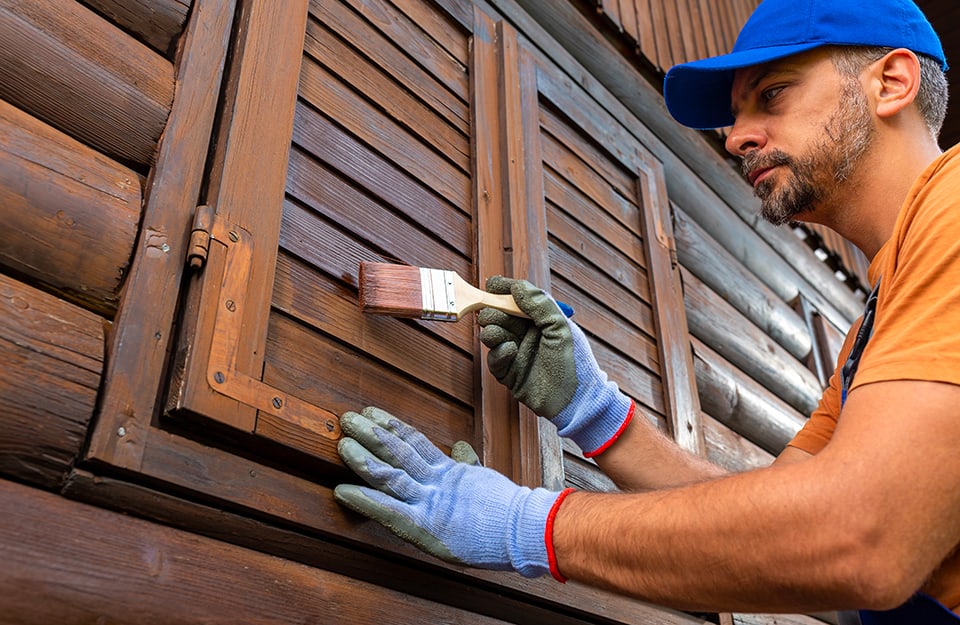
Yes. The varnish film provides extra surface protection and achieves the desired aesthetic effect, from transparent to covering, matte to glossy.
However, it’s important to use a waxed finish over a waxed stain.
Rio Verde by Renner Italia offers many products for all needs. For exterior use, for example:
- Classic water-based finish, available in transparent matte, transparent glossy, light walnut, walnut, and cypress oak;
- Waxed water-based finish, available in transparent or honey tones, soft to the touch;
- Evolution high-performance enamel, a highly covering product available in 10 colors.
How to apply a water-based film-forming finish for wood
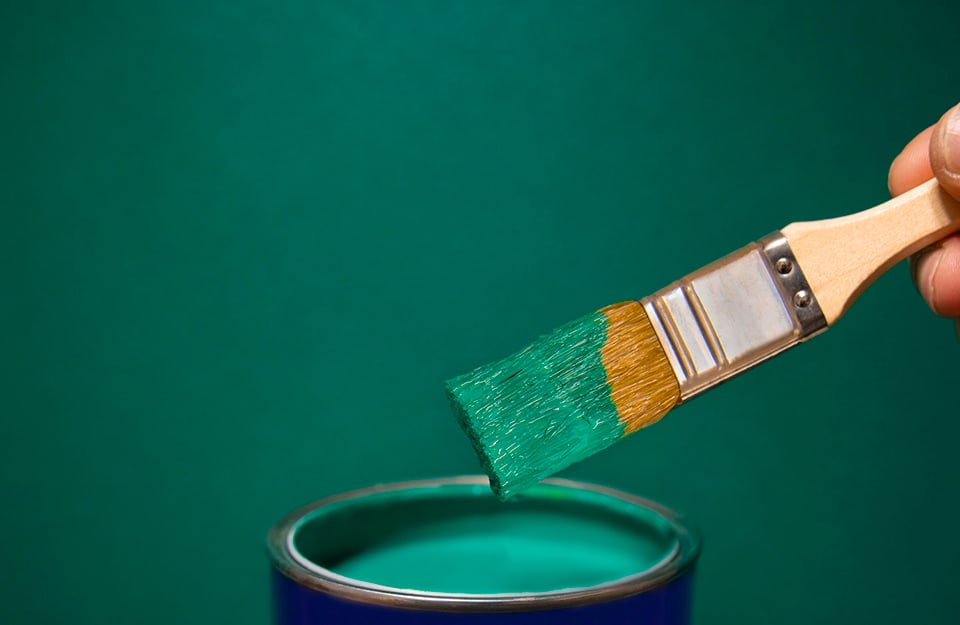
In the past, the classic process involved first applying a primer. For raw wood, cementite was mainly used — a chalky primer providing adhesion for the next coat.
With modern products, this step is often unnecessary: enamels and stained varnishes can be applied directly to raw wood, greatly reducing time, cost, and effort.
Here are Rio Verde products that save time and labor:
- Among stained varnishes:
- Natural effect finish, white or transparent;
- Matte water-based finish, transparent;
- Glossy water-based finish, also transparent;
- White water-based finish, with a satin effect.
- Among enamels (thus covering varnishes):
- The already mentioned Evolution enamel, in 10 colors;
- The Vintage Prestige ultra-matte enamel, one of Rio Verde’s bestsellers, offers 10 pastel shades plus Fiordilatte white and Liquirizia black — perfect for restoring vintage pieces or creating shabby chic effects;
- The Golden Prestige metallic-effect enamel, available in five golden shades.
In conclusion

Finishes are essential to protect and decorate wooden items.
There are impregnating and film-forming finishes.
Water-based products are preferable to solvent-based ones.
You can apply film-forming finishes over impregnating ones.
All enamels are varnishes, but not all varnishes are enamels.
With modern varnishes, primers like cementite are no longer necessary.
The choice of product depends on several factors: whether the piece is for indoor or outdoor use, the desired visual and tactile effects, and the required level of protection.
